What Is Quiet Luxury Interior Design?
Quiet luxury interior design gets thrown around a lot, but what does it actually include? A plain checklist covering palette, materials, restraint, light and where Indian craft fits in.
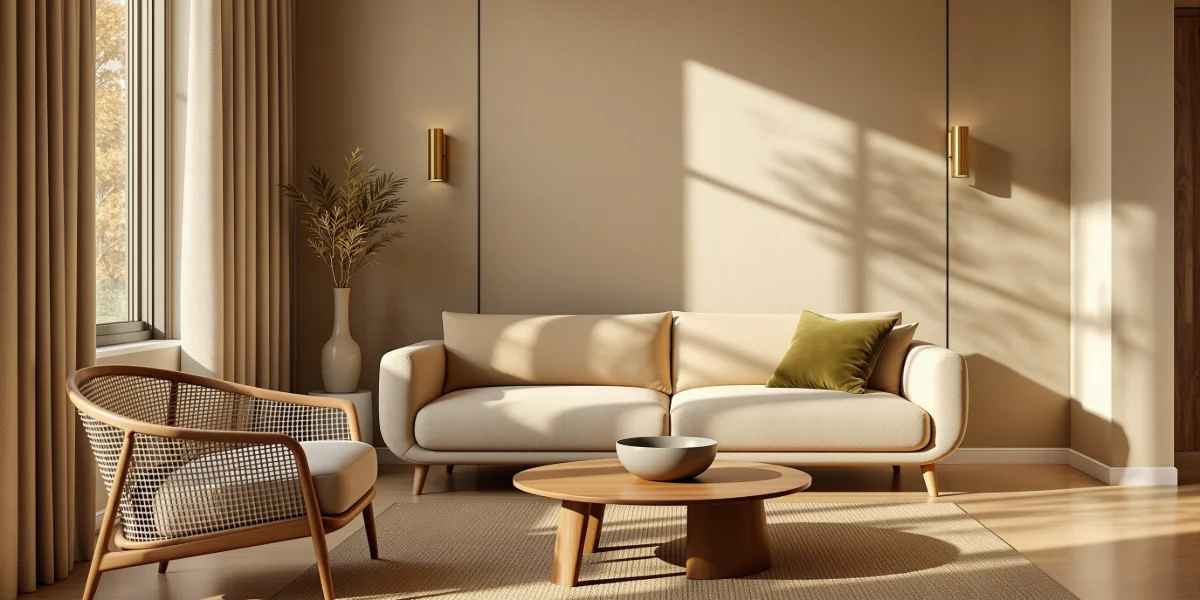
"Quiet luxury" gets used for a lot of things right now, a colour, a vibe, a vague sense of "expensive but not shouting about it." That vagueness is the problem. Say the phrase to five different people and you will get five different mental pictures, and most of them stop at "beige room." Quiet luxury interior design is more specific than that, and once it is broken into its actual parts, it is something anyone can plan for, not just describe.
This is the plain version: what the term actually includes, room by room, so it means something concrete before it goes anywhere near a mood board.
What Is Quiet Luxury Interior Design?
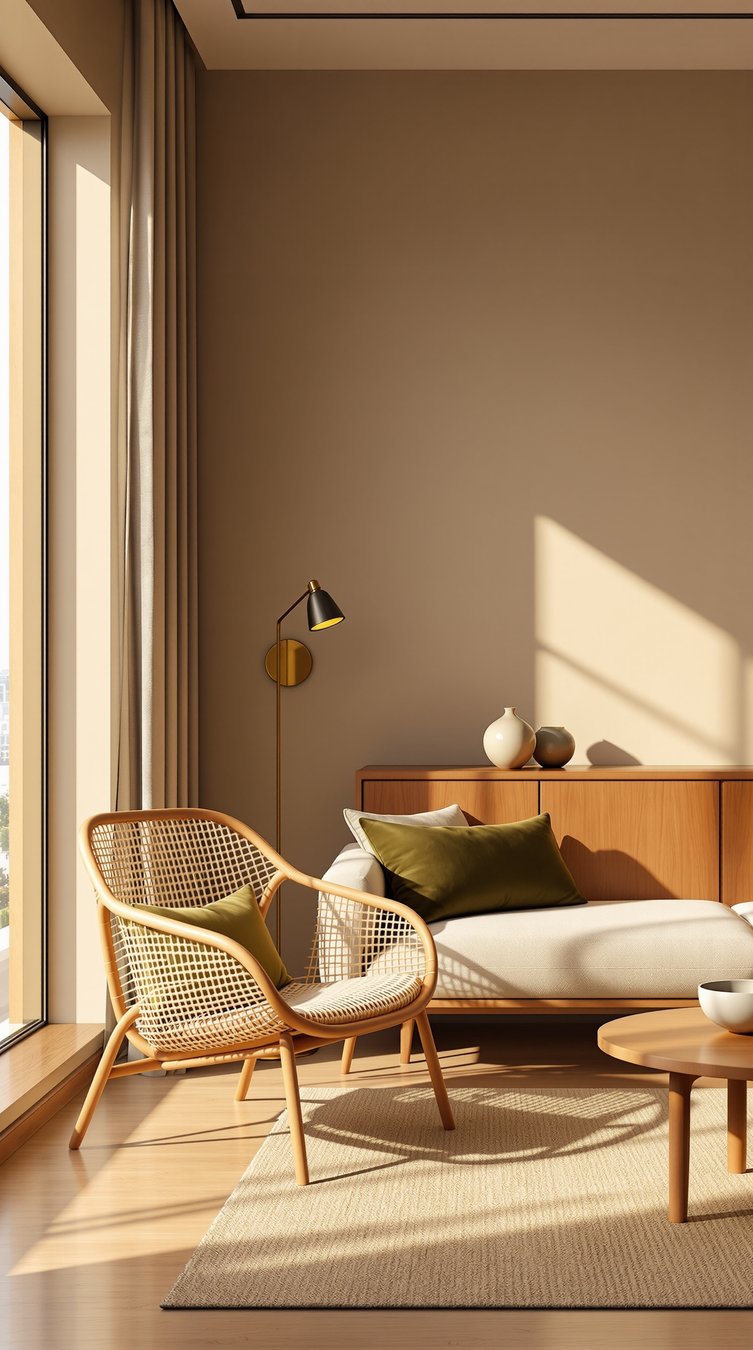
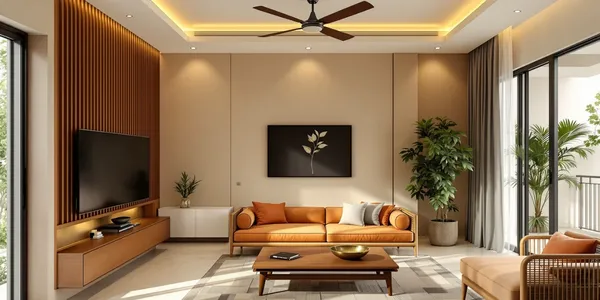
Quiet luxury interior design comes down to four things working together in the same room: a warm neutral palette, natural materials, real restraint in how many objects are on show, and light that is layered rather than flat. Skip any one of them and the effect falls apart. A warm-neutral room furnished in cheap materials under a single flat ceiling light does not read as quiet luxury. Neither does a room stacked with beautiful things and no editing. The combination is what does the work, not any single choice inside it.
Nor is it a fixed style the way Scandinavian or Art Deco are fixed styles. Think of it more as a set of rules a room follows underneath its own character, rules that sit as comfortably inside a modern Hyderabad flat as inside a traditional Chennai bungalow.
The Palette: Warm Neutrals, Never Stark
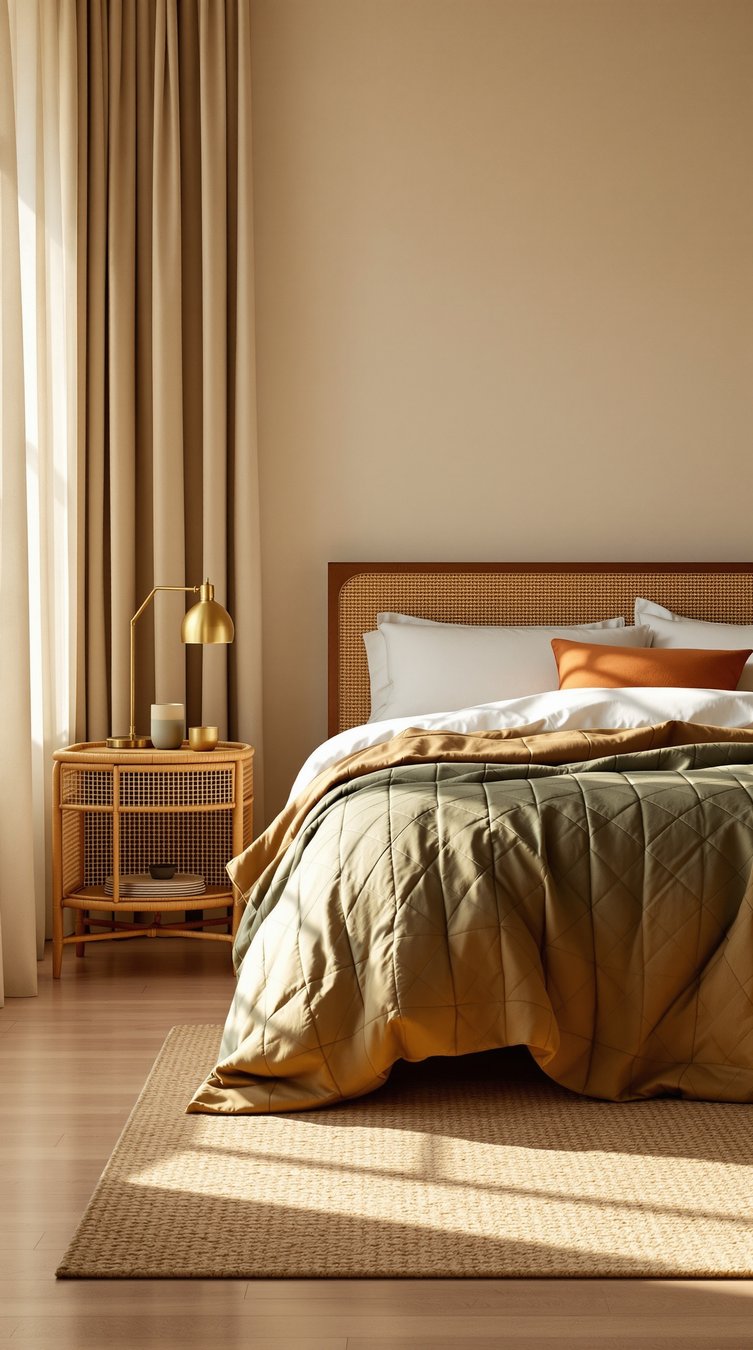
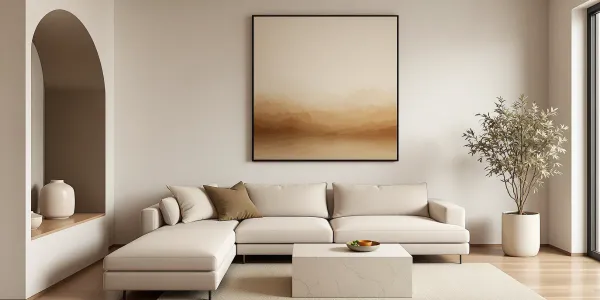
The base colours stay warm, cream, sand, taupe, warm greige, rather than stark white or cool grey, which read closer to a minimalist or corporate palette and tend to feel cold once actual Indian daylight hits them. Most quiet-luxury rooms then add exactly one deeper accent (an olive throw, a terracotta cushion, sometimes just a single dark-wood surface) carried in one place rather than spread thin across the whole room.
The rule of thumb: if a room photographs as entirely one flat tone with nothing deeper anywhere in frame, it is closer to plain minimalism than to quiet luxury.
Quiet luxury interior design comes down to four things working together in the same room: a warm neutral palette, natural materials, real restraint in how many objects are on show, and light that is layered rather than flat.
The Materials: Wood, Cane, Linen and a Little Brass

Wood carries most of the weight here, and it needs to be a warm register, teak or walnut rather than pale ply, showing up in furniture, panelling, sometimes a whole console. Cane adds a lighter, textured layer, almost always somewhere in the seating. Linen and a bouclé-like weave soften cushions and throws. Brass shows up last and smallest of all: a handle, a lamp base, a picture rail, almost never a full surface or an entire piece of furniture.
Texture, more than colour, is what actually ties these together. Put the same palette on a plain beige apartment and on a genuine quiet-luxury room, and they might look nearly identical in colour swatches. They will not look remotely alike in person, because one of them has real material texture doing the work and the other does not.
One Hero Object, Not Five

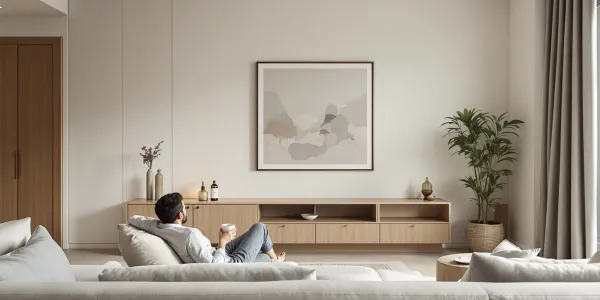
Most rooms trying for quiet luxury get this part wrong. Instead of five decorative pieces competing for attention, a quiet-luxury room picks one, a sculptural chair, say, or a console with real presence, and gives it room to breathe. Everything else stays deliberately plainer, so the eye actually has somewhere to land.
It also happens to be the cheapest part to get right. Buying and displaying less costs less, and a smaller budget spent on one genuinely good piece beats a larger one scattered across a dozen decorative purchases, nearly every time.
Layered Light, Never a Single Flat Ceiling Light

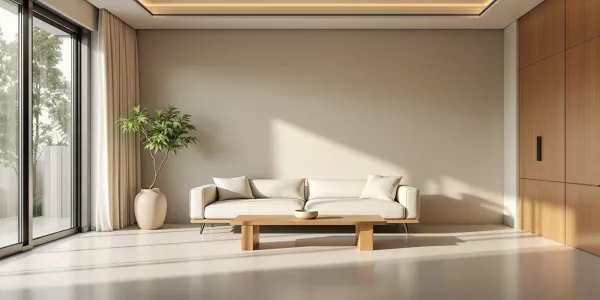
However well the rest of a room is styled, a single flat ceiling light tends to undo the effect on its own. Quiet-luxury rooms almost always layer at least two light sources, usually three, at different heights: something overhead, a wall sconce roughly at eye level, and a lamp lower down on a table or the floor. All of it warm in colour temperature, none of it the cool-white tube-light register so many Indian homes default to.
There's a practical upside too: a room lit this way is genuinely easier to live in come evening, since each source can be dimmed or switched independently instead of the whole room going from fully lit to dark in one step.
Where Indian Craft Fits In

In an Indian home, quiet luxury usually includes one heritage or craft piece: a brass-and-wood jhula, a hand-carved console, maybe just a small pooja-niche detail, folded into an otherwise contemporary room rather than built into its own themed "traditional corner." The same discipline that governs the rest of the room applies here too. The heritage piece is the room's one considered statement, not something added on top of several others.
Here is where an Indian home's version of quiet luxury departs furthest from the imported, purely Western one. The palette and the restraint stay the same either way. What changes is the vocabulary itself: brass, teak, jaali, handloom, unmistakably local rather than translated from somewhere else.
Quiet Luxury vs a Plain Neutral Room

"Paint it beige and you're done" is the most common misreading of quiet luxury there is. A plain neutral room and a genuine quiet-luxury room can share an almost identical palette and still feel like two different places entirely, because texture and layering are doing the real work there, while colour is almost incidental. A bare beige wall behind a plain sofa reads as underfurnished, full stop. Give that same palette a textured plaster wall, a wood-and-cane chair, one ceramic object with actual weight to it, and light at two or three heights, and it reads considered instead.
So if a room feels flat despite having the "right" colours, changing the colour is rarely the fix. Something else is usually missing, texture most often, sometimes the layered light, occasionally just that one hero object nobody committed to. The checklist above covers what quiet luxury includes; what a quiet-luxury home feels like to actually live in, day to day, is the natural next read.
Sources & References
- Interior design restraint and material palettes: General background on neutral-palette and natural-material interior design principles referenced for the palette and materials sections. Interior design, Wikipedia.
- Layered lighting design: Background on multi-source residential lighting design referenced for the layered-light section. Lighting design, Wikipedia.
- Indian decorative craft traditions: Background on brass work and carved-wood craft traditions referenced for the Indian-craft section. Handicrafts of India, Wikipedia.
Frequently Asked Questions
- Is quiet luxury just a fancy word for minimalism?
- No. Minimalism removes until only the essential remains and can read cool or bare when under-layered. Quiet luxury selects a few considered things and layers them warmly, closer to a different discipline than a synonym for the same thing.
- Does quiet luxury mean an all-white or all-grey room?
- No, the opposite is closer to true. The base palette stays warm, cream, sand, taupe, and stark white or cool grey usually reads as a different, colder style entirely.
- Is quiet luxury expensive to do well?
- Not necessarily. The restraint discipline, fewer objects, more space around each one, often reduces spend rather than increasing it. The cost usually goes into fewer, better-made pieces rather than a larger volume of decor.
- Can a traditional Indian home be quiet luxury, or is it a modern-only look?
- It works in either register. The palette, restraint and layered light apply equally to a modern flat or a traditional home; only the specific material vocabulary, more jaali and carved wood in a traditional home, more clean-lined brass and cane in a modern one, shifts.
- What does a quiet-luxury home actually feel like to live in day to day?
- Past this definition, the daily, lived-in side of the same discipline covers things like how a room reads in evening lamp light versus morning daylight, and how little a genuinely restrained home actually needs to feel finished.